Experience
Work
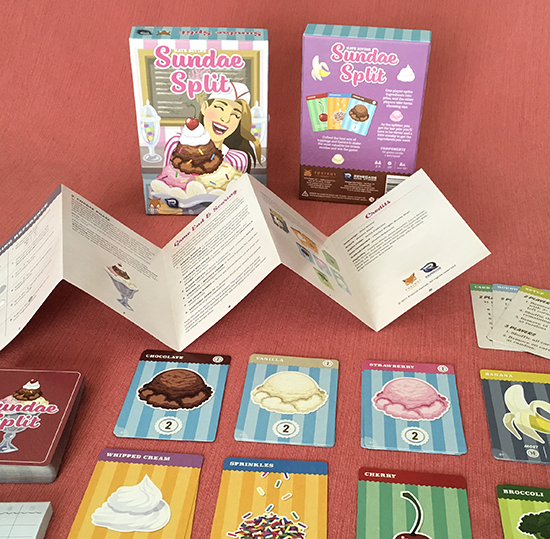
Sundae Split | Gallery & Information
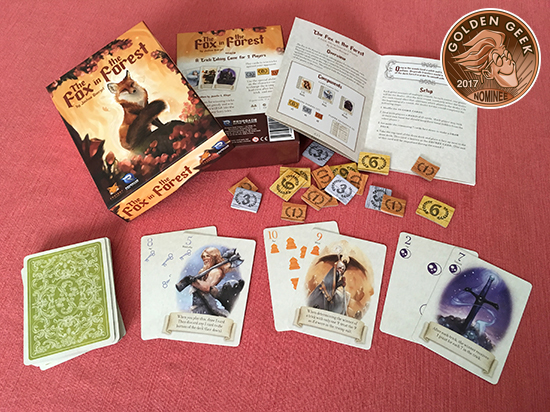
The Fox in the Forest | Gallery & Information
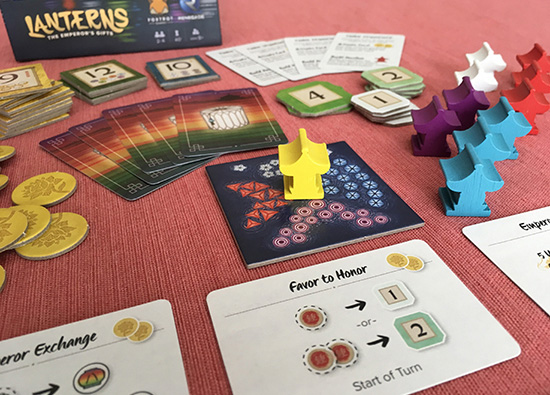
Lanterns: The Emperor's Gift (Game Expansion) | Gallery & Information
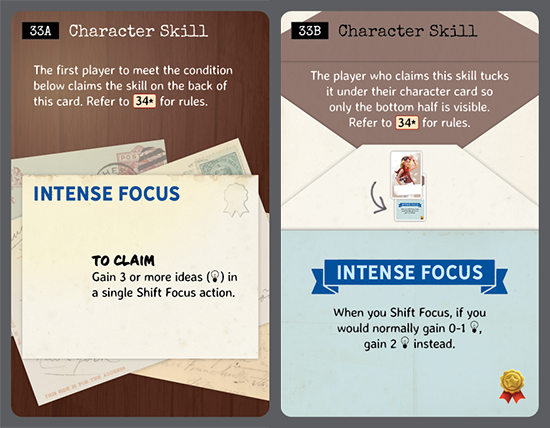
Spy Club | Gallery & Information
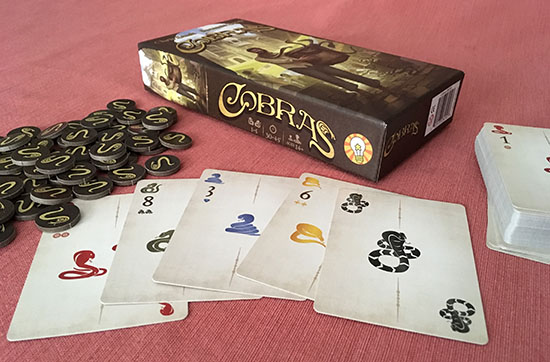
Cobras | Gallery & Information
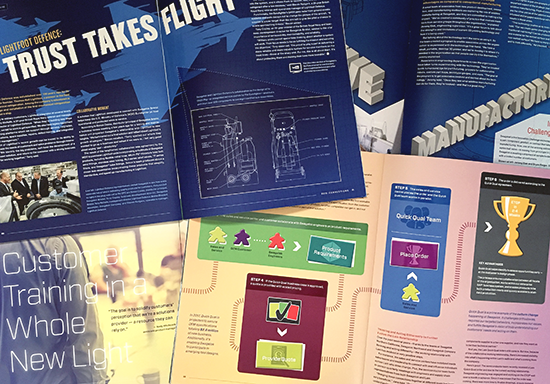
Swagelok Connections | Gallery & Information
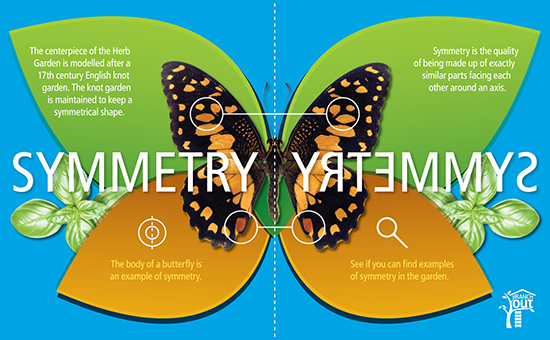
Cleveland Botanical Garden Branch Out Signage | Gallery & Information
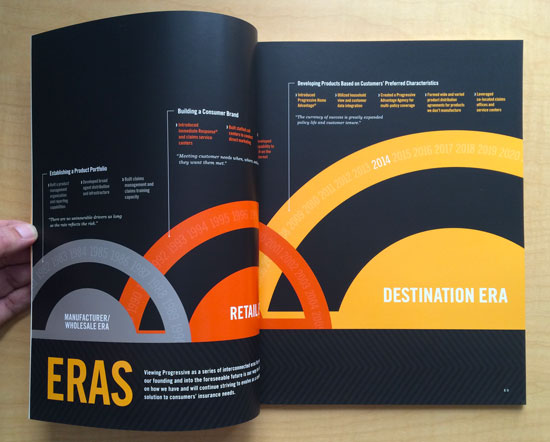
The Progressive Corporation Annual Report 2014 | Gallery & Information
Bike Lakewood | Gallery & Information
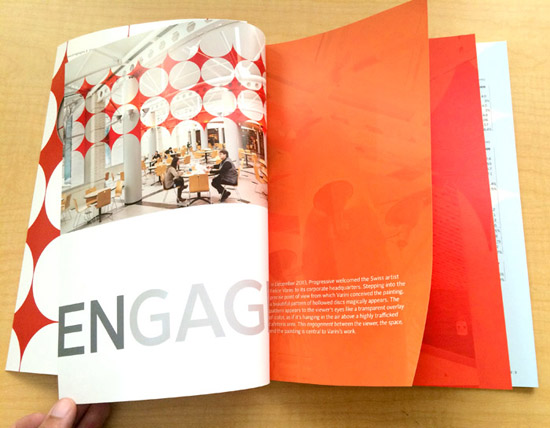
The Progressive Corporation Annual Report 2013 | Gallery & Information
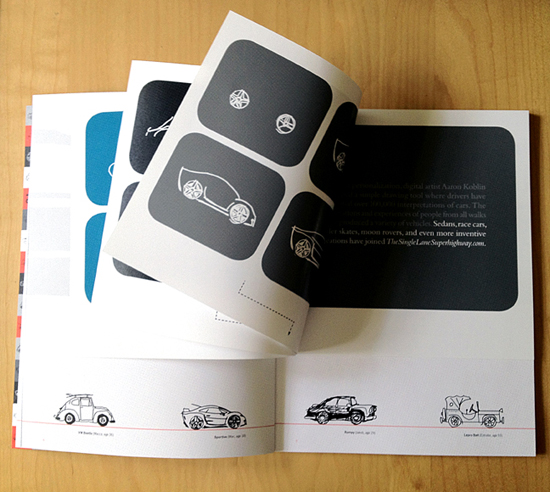
The Progressive Corporation Annual Report 2011 | Gallery & Information
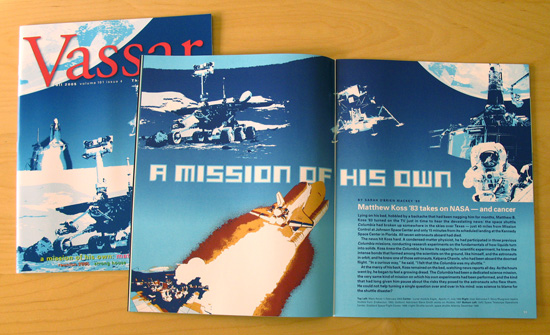
Vassar Quarterly | Gallery & Information
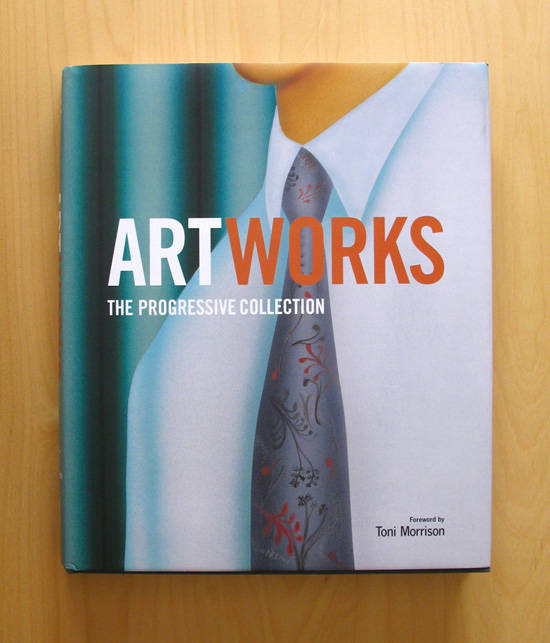
ArtWorks: The Progressive Collection | Gallery & Information
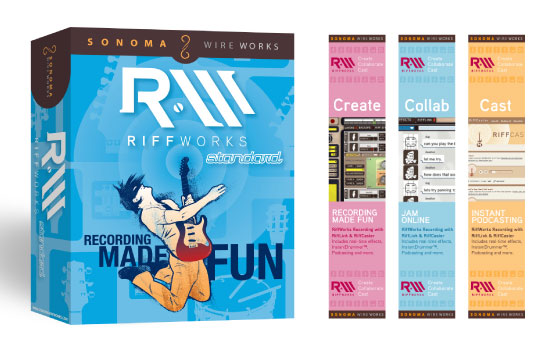
Sonoma Wire Works RiffWorks | Gallery & Information

Sonoma Wire Works GuitarJack | Gallery & Information
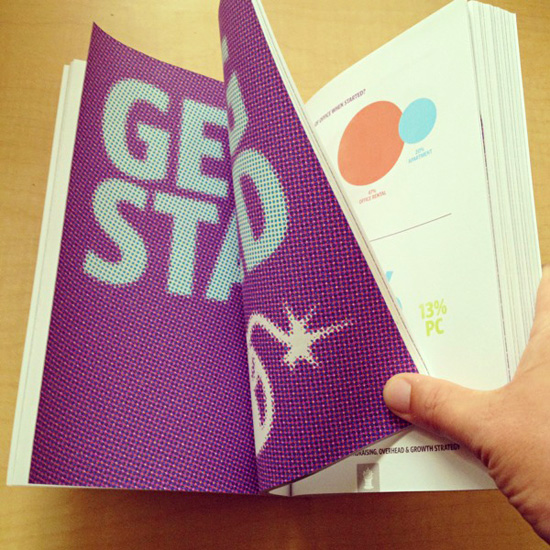
Drawn To Business by William A. Beachy | Gallery & Information
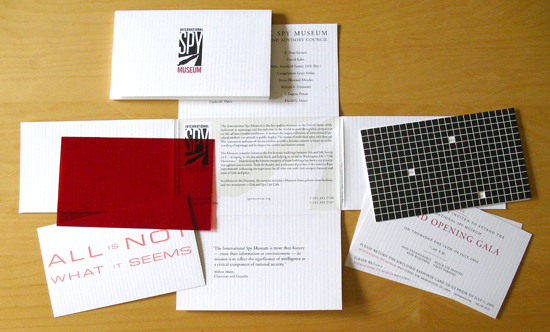
International Spy Museum Collateral | Gallery & Information
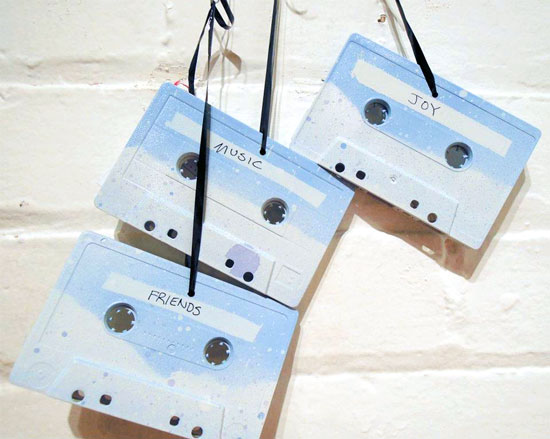
AIGA Art of Ornament | Gallery & Information
CV
UX Designer | The Progressive Corporation
2018 - Present
Creative Director | Like a Scientist
2009 - 2018
Graphic Design; art and photography direction; project management; for: board and card games, annual reports, marketing materials, identities, signage, digital assets, and packaging. Clients: Foxtrot Games, Cardboard Edison, The Progressive Corporation, HoverTech International, ACC South Florida.
Senior Designer | Nesnadny + Schwartz
2000 - 2009
Design and photography art direction; management of projects that included identities, annual reports, hardbound books, quarterly periodicals; Managed junior positions; Handled client contact and management; Supervised production, schedules, and press. Clients: Vassar College, The Progressive Corporation, The International Spy Museum.
Marketing and Artist Relations | Retronyms
2008 - 2012
Managed and designed projects for Retronyms and clients; Developed marketing projects; Musician outreach and developed music-related promotions; Managed contact with artists; Represented company at shows and festivals; Maintained contact with content creators and user community.
Academia
Bachelor of Fine Arts | Ohio University
1999
Graphic Design Major | Additional: Painting, Drawing, Sculpture, Printmaking, Photography
Honors
Graphis Design Annual 2018 Silver/Merit | Link
2016 ADDY Awards National Silver | Link
2015 ADDY Awards District 5 Gold | Link
2014 ADDY Awards District 5 Silver
2014 ADDY Awards Cleveland 5 Gold | Link
Graphis Design Annual 2015 | Link
UCDA 44th Design Competition
Graphis Annual Reports 2014/2015 | Link
Graphis Design Annual 2014
American Graphic Design Awards | Link
Graphis Annual Reports 2013 | Link
AIGA 365 Justified | Link
2013 ADDY Awards Cleveland Best of Show | Link
Graphis Annual Reports 2012 | Link
GOOD Design 2012 | Link
AR100 - 2007/2008
UCDA 33rd Design Competition | Link
Skills
Photography Art Direction | Copywriting
Offset Printing Experience | Bindery
Community
Bike Lakewood
Board Member | Advocacy | Ride Leader | 2013 - Present
Bike Cleveland
Event Volunteer | Advocacy | 2013 - Present
NOACA
Bicycle and Pedestrian Counts | 2013 - Present